


Welcome
Living with a rare disease can be challenging. Many people experience a long journey to diagnosis, difficulties accessing information, and uncertainty about what support is available. The Belfast Trust Adult Rare Disease Service aims to support adults living with rare conditions by providing specialist assessment, diagnosis, management, and access to appropriate services.
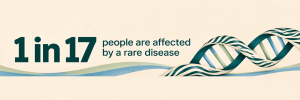
While any individual rare disease affects only a small number of people, collectively rare diseases are common. It is estimated that around 1 in 17 people will be affected by a rare disease at some point during their lifetime.
Our service works closely with a wide range of specialists, including geneticists, neurologists, cardiologists, respiratory physicians, metabolic specialists, laboratory scientists, and other healthcare professionals to help ensure coordinated care.
-
What is a Rare Disease?
A rare disease is generally defined as a condition affecting fewer than 1 in 2,000 people.
There are more than 7,000 recognised rare diseases. Most are lifelong conditions, and many have a genetic cause. Rare diseases can affect people of all ages and may involve one or multiple body systems.
Examples include:
– Hereditary amyloidosis
– Lynch syndrome
– Fabry disease
– Huntington disease
– Tuberous sclerosis
– Neurofibromatosis
– Inherited cardiomyopathies
– Inherited retinal disorders
– Rare metabolic conditions -
Genetic Testing
Many rare diseases have a genetic basis.
Genetic testing can sometimes:
– Confirm a diagnosis
– Help guide treatment or monitoring
– Identify potential health risks
– Inform care for family members
– Allow access to research studies or clinical trialsNot all rare diseases have a genetic cause, and genetic testing does not always identify an answer. However, advances in genomic medicine continue to improve diagnostic rates.
Sometimes you will be referred to Clinical Genetics to discuss genetic testing, but genetic tests can also be requested by non-genetic specialists.
-
Finding Research Studies and Clinical Trials
Research is helping to improve the diagnosis, treatment and care of people living with rare diseases. Depending on your condition, you may be able to take part in research studies, patient registries or clinical trials (see also).
Useful resources include:– NIHR Be Part of Research
– ClinicalTrials.gov
– ISRCTN Registry
– Rare Diseases Clinical Research NetworkYou may also wish to join a disease-specific patient registry (see also). Registries help researchers better understand rare diseases, support the development of new treatments, and may inform you about future research opportunities.
If you are interested in taking part in research, speak to your specialist healthcare team who may be able to direct you to relevant studies.
-
Support and Patient Organisations
Connecting with others can provide valuable information, practical advice and emotional support (see also).
The following organisations offer support and information for people living with rare diseases and their families:
Genetic Alliance UK
The UK’s largest alliance of rare disease charities, providing information, advocacy and links to condition-specific support groups.Rare Disease UK
A national organisation working to improve the lives of people affected by rare diseases through awareness, education and advocacy.Rare Diseases Ireland
The national alliance for rare disease organisations in Ireland, providing support, information and resources.Unique
Provides information and support for people living with rare chromosome and gene disorders.Orphanet
An internationally recognised information portal containing expert-reviewed information about rare diseases, specialist centres, patient organisations and registries.Many rare diseases also have dedicated patient organisations. Ask your healthcare team whether there is a support group or charity specific to your condition.
Making the Most of Your Healthcare
Suggestions for navigating the health service with a rare disease.
1) Make Sure Your Diagnosis Is Recorded Correctly on Epic
Ask your hospital specialist or GP to ensure your rare disease diagnosis is accurately coded within your electronic healthcare record.
Why is this important?
- It helps healthcare professionals quickly understand your medical history.
- It improves communication between different clinical teams.
- It reduces the risk of important information being missed during emergency or unscheduled care.
- It helps healthcare services understand how many people are living with specific rare diseases.
- Better data can support service planning, funding applications, development of specialist clinics, and future research.Accurate coding helps make rare disease patients more visible within the healthcare system.
2) Join a Patient Registry
- Many rare diseases have national or international patient registries.
- Registries collect information about people living with specific conditions and can help:
- Improve understanding of rare diseases
- Support research into new treatments
- Identify patients who may be eligible for clinical trials
- Inform future healthcare services
- Demonstrate the true impact of rare diseases
Ask your specialist team whether a registry exists for your condition.
3) Keep a Summary of Your Medical Information
Consider carrying a brief medical summary containing:
- Your diagnosis
- Current medications
- Allergies
- Key specialists involved in your care
- Emergency contact details
This can be particularly useful during emergency healthcare visits.
4) Learn About Your Condition from Reliable Sources
The internet contains information of varying quality. Trusted sources include:
- NHS websites
- Specialist centres
- Recognised patient organisations
- Peer-reviewed medical information
If you find information online that concerns you, discuss it with your healthcare team.
5) Connect with Others
Living with a rare disease can sometimes feel isolating.
Patient support groups can provide valuable emotional support, shared experiences, and practical advice from others who understand the challenges of living with a rare condition.
6) Ask About Research Opportunities
Research is rapidly advancing in many areas of rare disease and genomics. Participation in research may not benefit you directly, but it can contribute to improved diagnosis and treatment for future patients.
7) Attend Recommended Monitoring Appointments
Some rare diseases require regular surveillance even when you feel well. These appointments may help identify complications early and provide opportunities to discuss any new symptoms or concerns.